Why Spare Parts Buying Should Be More Structured
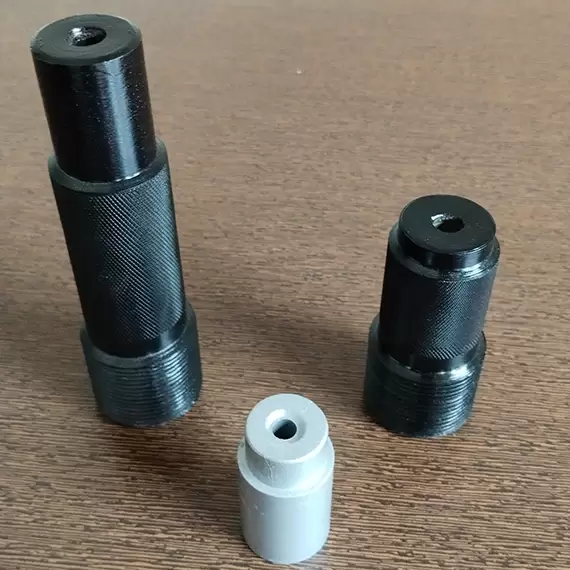
Blasting nozzles and related spare parts are usually ordered under time pressure, especially when wear components affect machine uptime. But faster ordering does not mean less detail. In many cases, mismatched nozzles, holders, or maintenance parts create more downtime because the actual machine fit was not confirmed during inquiry.
That is why buyers reviewing the Spare Parts category should treat compatibility, wear cycle, and process context as part of the buying decision, not as an afterthought.
What Buyers Commonly Include in Spare Part Requirements
Spare part inquiries are strongest when they mention the machine setup, current part reference, operating problem, and quantity. This is especially important for blasting nozzles, nozzle holders, hose-linked components, and control-side maintenance parts.
- Part name and current size or model reference
- Machine type and operating application
- Quantity needed for immediate use or repeat stocking
- Whether the requirement is replacement, shutdown support, or planned maintenance
How This Helps Commercial Response
A detailed inquiry reduces mismatch risk and allows the response to move beyond basic price quoting. It helps AJPDAS recommend the right industrial spare part, confirm relevance, and plan dispatch more accurately. For larger maintenance projects, buyers can also use the Bulk Order route or contact the team through the Contact Us page.
If your requirement spans abrasive media, spare parts, and downstream equipment support, the End-to-End Industrial Solutions page explains how the process can be coordinated from requirement stage to supply support.
Related Product Areas Worth Reviewing
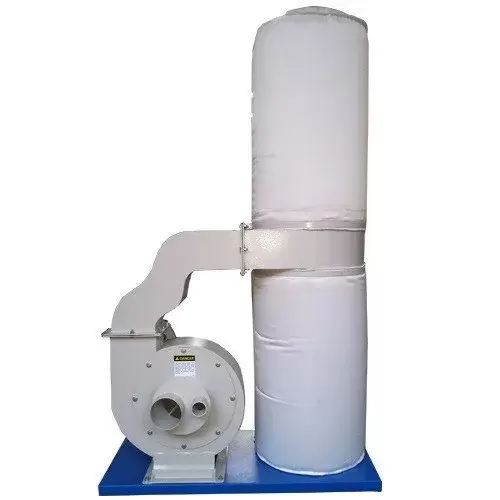
Before closing your spare part inquiry, it can be useful to review the Abrasive Media, Dust Collector, and Product Catalog sections so the final commercial discussion covers the full requirement instead of a single item only.