
Deadman Handle
A deadman handle is a safety device used in abrasive blasting systems to control the flow of abrasive material and compressed air. It is also known as a deadman switch or a deadman valve.
Indicative value per piece. Final pricing depends on requirement, quantity, and supply scope.

Indicative value per piece. Final pricing depends on requirement, quantity, and supply scope.
Deadman Handle Technical Specifications
Review the key product details before requesting a quotation or discussing your requirement with our team.
| Specification | Detail |
|---|---|
| Grade | Semi-Automatic |
| Handle Type | Pneumatic Control |
| Usage | Abrasive Sand Blasting/ Grit Blasting |
Get this built to your specification
Tell us the size, capacity, or grade you need. We will quote that version of this product.
Deadman Handle Information
A deadman handle is a safety device used in abrasive blasting systems to control the flow of abrasive material and compressed air. It is also known as a deadman switch or a deadman valve. The deadman handle typically consists of a lever or trigger that is connected to a valve on the blasting equipment. The operator must hold down the lever or trigger to allow the flow of abrasive material and compressed air to the blasting nozzle. If the operator releases the lever or trigger, the valve will close and stop the flow of abrasive material and compressed air, effectively shutting down the blasting process.
The purpose of the deadman control handle is to ensure that the blasting equipment is only active when the operator is actively engaged and in control of the process. This helps to prevent the accidental discharge of abrasive material, which can cause injury or damage to surrounding equipment or structures. It also allows the operator to quickly and easily shut down the blasting process in case of an emergency or if a problem arises.
In many jurisdictions, the use of a deadman handle is required by law for abrasive blasting operations. It is important for operators to be trained on the proper use and maintenance of the deadman handle, and to regularly check and test the device to ensure it is functioning properly.
Uses of Deadman Handle
- Operator Safety: The primary use of the Deadman Handle is to ensure operator safety during abrasive blasting operations. It serves as a safety mechanism that requires continuous operator engagement to keep the blasting process active. When the operator releases the handle or lets go, the blasting operation is immediately halted, preventing any unintended discharge of abrasive media.
- Control of Blasting Operation: The Deadman Handle for blasting gives the operator full control over the blasting process. By holding onto the handle, the operator can initiate and maintain the flow of abrasive media from the blasting nozzle. Releasing the handle stops the flow of abrasive, allowing for precise control and preventing wastage or unwanted blasting.
Features of Deadman Handle
- Spring-Loaded Mechanism: The Deadman Handle for abrasive blasting typically features a spring-loaded mechanism. This means that the handle is in the "on" position by default when the operator is gripping it. When the operator releases the handle, the spring-loaded mechanism quickly returns it to the "off" position, stopping the flow of abrasive media.
- Ergonomic Design: Deadman Handles are designed with ergonomics in mind to ensure operator comfort and ease of use. They often feature a grip that fits comfortably in the hand, minimizing operator fatigue during prolonged blasting operations.
- Safety Interlock System: Some Deadman Handles may include a safety interlock system that requires a specific sequence of actions to activate the blasting process. This adds an additional layer of safety by ensuring that the handle cannot be accidentally engaged or manipulated.
- Durable Construction: Deadman Handles are typically constructed with robust materials that can withstand the harsh conditions of abrasive blasting. They are designed to be durable and long-lasting, able to withstand exposure to abrasive media, moisture, and other elements.
- Compatibility: Deadman Handles are designed to be compatible with various types of blasting equipment, including pressure blast cabinets, blast pots, and portable blasters. They often feature standard connections or adapters that allow easy integration with the blasting system.
- Safety Lanyard Attachment: Some Deadman Handles may have a provision for attaching a safety lanyard. This adds an extra layer of safety by allowing the operator to secure the handle to their wrist or clothing. If the operator were to accidentally drop the handle, the lanyard would prevent it from hitting the ground and potentially activating the blasting process.
Dispatch & Shipping Information
Deadman Handle Applications
Replacement support for blasting and surface preparation equipment
Maintenance planning for industrial machine uptime
Consumable and wear-part replenishment in production units
Service support for nozzles, holders, valves, and machine assemblies
Workshop inventory support for repeat maintenance cycles
Operational continuity for blasting and process equipment
Why Buyers Trust AJPDAS for Serious Industrial Requirements
A deadman handle is a safety device used in abrasive blasting systems to control the flow of abrasive material and compressed air. It is also known as a deadman switch or a deadman valve. The deadman handle typically consists of a...
Clear Technical Presentation
Specifications, category context, and inquiry actions are organized clearly so buyers can review product details with more confidence.
Responsive Commercial Support
From specification clarification to quantity-based discussions, our team supports more practical and commercially relevant inquiry handling.
Dependable Supply Coordination
We help move the process from product review to quotation, planning, and requirement-based supply coordination with better structure.
Buyer reviews
Share your experience after dealing with this product or supplier.
No approved reviews yet. Be the first to share your experience.
Want to leave a review? Buyer Login or Create Account. Reviews open after a quote or deal on this product. You can still use Get Best Price without login.
Frequently Asked Questions
Common buyer questions before sending inquiries, requesting bulk pricing, or confirming dispatch timelines.
Adding product grade, quantity, and application helps us recommend the right item faster.
Most inquiries are reviewed quickly, especially when product details and quantity are clearly mentioned.
Delivery timelines can vary based on stock, finishing requirements, and destination city.
What is Deadman Handle used for?
Deadman Handle is supplied for industrial applications related to spare parts. Buyers typically review the technical specifications, quantity, and process requirement before placing an inquiry.
How do I request a quote for Deadman Handle?
You can use the Send Inquiry or Bulk Requirement options on the product page. Mention the required quantity, specification, size, grade, or application for a more accurate response.
Can AJPDAS support bulk orders for Deadman Handle?
Yes. AJPDAS supports bulk, repeat, and project-oriented inquiries for Deadman Handle depending on commercial scope, requirement details, and dispatch planning.
What details should I share before sending a Deadman Handle inquiry?
It is helpful to share the product specification, size or grade, quantity, application, destination location, and any preferred delivery or commercial expectations.
Can your team help me confirm the right variant of Deadman Handle?
Yes. If you are comparing multiple sizes, grades, or technical options, our team can help you review the requirement and move toward the most relevant inquiry path.
What affects dispatch timelines for Deadman Handle?
Dispatch timing can depend on stock position, quantity, finishing or packing requirements, and the delivery destination. Sharing complete requirement details helps us guide you more clearly.
Same category from other suppliers
 In Stock
Lead time on ask
In Stock
Lead time on ask
Abrasive Blasting Hose Coupling
Abrasive Blasting Hose Coupling
 In Stock
Same-week dispatch
In Stock
Same-week dispatch
Grit Blasting Hose
Grit Blasting Hose
 In Stock
Lead time on ask
In Stock
Lead time on ask
Shot Blasting Hose
Shot Blasting Hose
 In Stock
Ready to ship
In Stock
Ready to ship
Ceramic Shot Blasting Nozzle
Ceramic Shot Blasting Nozzle
 In Stock
Same-week dispatch
In Stock
Same-week dispatch
Pressure Blasting Nozzle
Pressure Blasting Nozzle
Explore More From Spare Parts
Continue browsing similar industrial products from the same category for faster comparison and inquiry planning.
 In Stock
Export packed
In Stock
Export packed
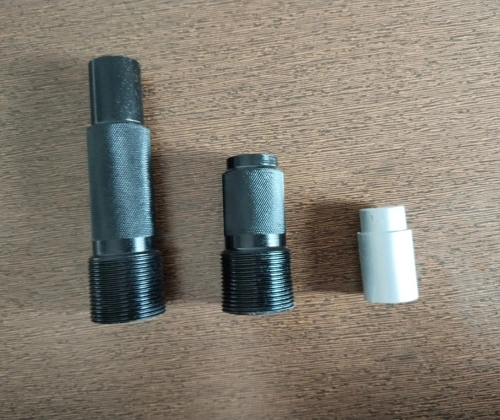
Angled Tungsten Carbide Blasting Nozzle
Angled Tungsten Carbide Blasting Nozzle
 In Stock
Lead time on ask
In Stock
Lead time on ask
Grey Tungsten Carbide Nozzle
Grey Tungsten Carbide Nozzle
 In Stock
Ready to ship
In Stock
Ready to ship
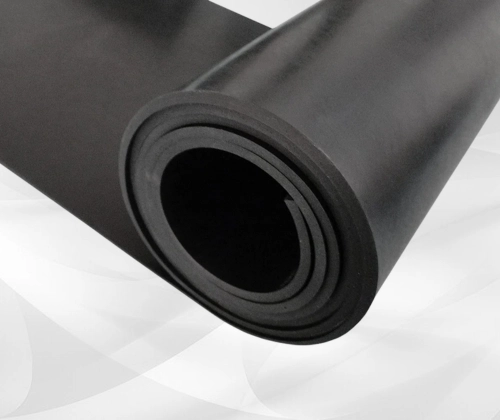
Rubber Sheet for Shot Blasting Machine
Rubber Sheet for Shot Blasting Machine
 In Stock
Export packed
In Stock
Export packed
Air Filter Regulator
Air Filter Regulator
 In Stock
Lead time on ask
In Stock
Lead time on ask
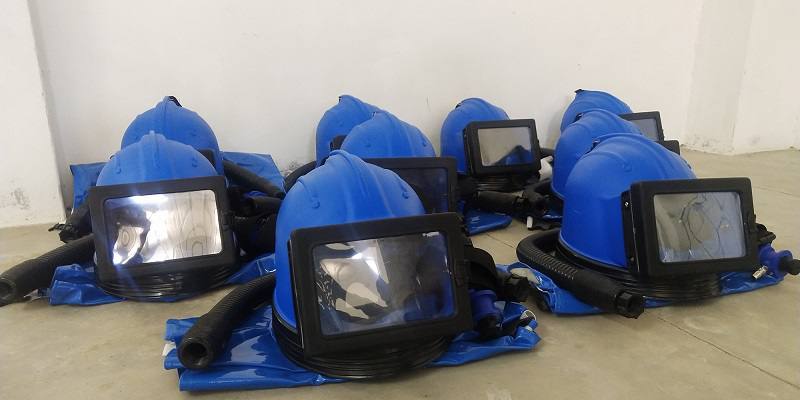
Sand Blasting Helmet
Sand Blasting Helmet
Discuss This Product With Our Team
Share your application, quantity, or specific buying requirement and get a faster response for quotation support.